


Tree of Life
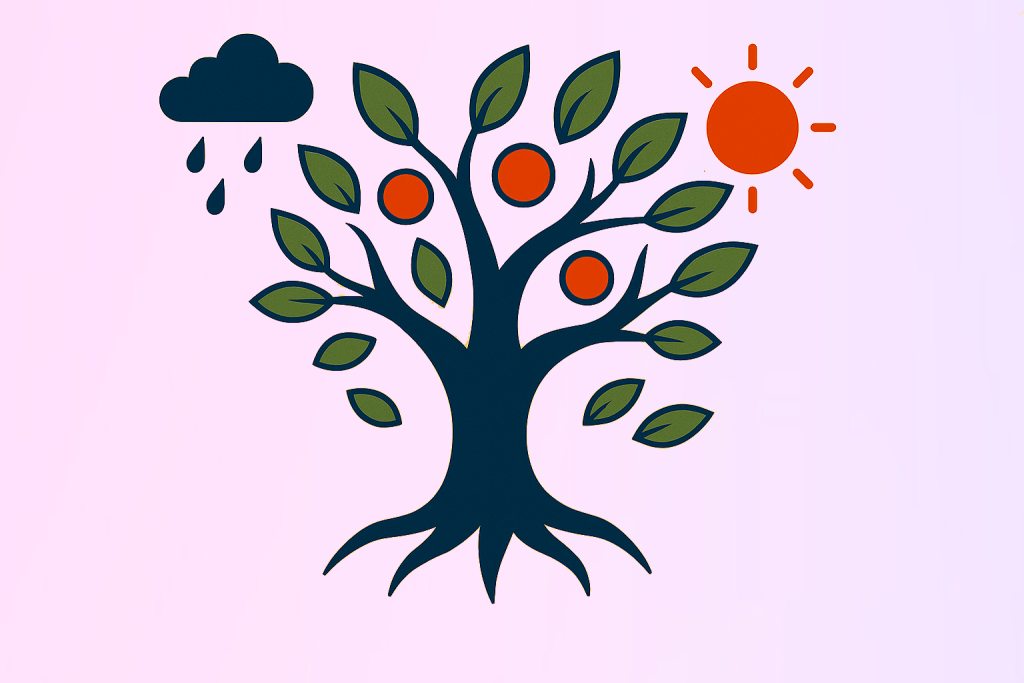
Purpose: The “Tree of Life” activity supports young people in reflecting on their identity and life experiences through storytelling and symbolic representation. It helps participants reconsider their personal life narratives and develop a strength-based understanding of their identity while exploring motivating and supporting factors in their lives.
Issue addressed: Many young people, particularly those from vulnerable or complex backgrounds (such as youth in alternative care, foster families, complex family situations, NEET youth, youth with disabilities, or those with traumatic experiences), may struggle with recognizing their personal strengths and understanding how their life experiences shape their identity and well-being.
Relevance to mental health: The activity contributes to psychosocial health literacy by increasing young people’s ability to recognize how their life stories influence their mental health and social well-being. It supports participants in identifying their psychological strengths, personal qualities, and available social support, which fosters self-awareness, resilience, and a more positive understanding of themselves.
Intended change:
- Increase self-awareness and self-respect through reflection on personal identity;
- Strengthen self-confidence by enabling young people to create and share their life stories;
- Help participants recognize their existing personal traits, strengths, and abilities;
- Encourage exploration of internal and external factors that influence their decisions and future paths.
Romanian perspective: The pilot implementation in Romania confirmed the relevance of the tool for young people with diverse and often vulnerable backgrounds. A recurring observation was that participants found it significantly easier to identify their weaknesses than their strengths, reflecting a tendency toward deficit-based self-perception. In this context, the Tree of Life activity played a key role in shifting focus toward personal resources and positive identity elements. The activity supported participants in gradually recognizing their abilities, interests, and support systems, contributing to improved self-esteem and increased openness to self-reflection. It also facilitated the development of a more balanced self-image, especially for participants who initially struggled to articulate personal strengths or future aspirations.
Context of pilot implementation
This activity was implemented as part of a pilot action carried out within the MEET project at the premises of Association Amica Educa, a project partner from Tuzla, Bosnia and Herzegovina. The session was conducted in person and involved a group of eight NEET young people, including one male and seven female participants. The session was facilitated by a trainer with the support of a mentor. It followed an interactive format combining individual reflection, creative drawing, and group discussion. Participants created their personal “Tree of Life” drawings and were invited to reflect on their strengths, achievements, challenges, hopes, and dreams. The session was implemented in a supportive non-formal learning environment that encouraged participants to reflect on their personal experiences and explore their identity, strengths, and sources of support. The Tree of Life activity also was implemented in Romania within the pilot phase of the MEET project in several locations, including Reșița, Bocșa, and Anina, as well as in a youth centre setting. The activity was carried out with diverse groups of young people, including students, young people with special educational needs, and participants from vulnerable backgrounds. Group sizes varied, allowing facilitators to test the tool in both smaller and larger group dynamics. The sessions were facilitated in a non-formal educational setting, with a strong emphasis on creating a safe and supportive environment. In several cases, a psychologist was involved as a facilitator, which proved particularly valuable in guiding reflection and supporting participants during more sensitive moments. The implementation combined individual creative work with guided group discussions, allowing participants to explore their personal experiences while also benefiting from peer interaction. The Romanian pilot highlighted the adaptability of the tool across different contexts, while also underlining the importance of facilitation style, group cohesion, and time allocation in achieving meaningful reflection outcomes.
Theoretical background
Personal identity and self-understanding develop through the stories people tell about their lives. Narrative and strength-based approaches in youth work emphasize the importance of helping young people recognize their abilities, resources, and supportive relationships, which are important protective factors for mental health and resilience. Young people who have experienced complex life situations, such as family instability, social exclusion, or other challenging circumstances, may sometimes perceive their lives primarily through problems or limitations. This can affect their self-esteem, future orientation, and their ability to recognize internal and external resources that can support their development. The “Tree of Life” activity uses a symbolic and creative metaphor to help participants reflect on different aspects of their lives. Through drawing and storytelling, young people explore their past experiences, present circumstances, personal qualities, and future aspirations using the elements of a tree (roots, ground, trunk, branches, leaves, and fruits). By organizing their life stories in this structured and creative way, participants can better recognize their strengths, identify supportive people in their lives, and develop a more balanced and empowering perspective on their identity. The use of metaphor and creative expression makes the reflection process accessible and engaging, especially for young people who may find it difficult to speak directly about personal experiences. In this way, the activity supports self-awareness, resilience, and a strength-based understanding of one’s life story. The Romanian pilot implementation confirmed the relevance of the narrative and strength-based approach described above, particularly when working with young people who are not accustomed to reflecting on their personal experiences in a structured way. Participants often showed limited ability to connect past experiences with their current identity or future aspirations at the beginning of the activity. The Tree of Life framework supported this process by offering a clear and accessible structure for reflection, helping participants organize their thoughts and gradually build a more coherent and positive personal narrative. This was especially important for those with low self-confidence, who initially focused more on negative experiences or perceived limitations.
Target group
- Age: 15–30 years (also adaptable for adults)
- Profile: general youth population, NEET young people, youth from vulnerable backgrounds, youth with complex life experiences
- Context: non-formal or formal education settings (educational activities, workshops, training sessions)
In the Romanian pilot activity, the tool proved particularly relevant for young people with low self-esteem, limited self-reflection skills, and those coming from socio-economically disadvantaged or migration-affected backgrounds. It was also effective when working with participants with special educational needs, provided that additional facilitation support and simplified explanations were offered.
Context of use
Location: School, NGOs, youth centres, community centres, psychosocial support programs, etc. The pilot implementation confirmed that the tool is highly adaptable across different settings, including school environments, youth centres, and non-formal workshops. However, its effectiveness depends on the facilitator’s ability to create a safe space and adjust the level of reflection to the group’s needs.
Types of skills and dimensions addressed:
- Socio-emotional skills: self-awareness, emotional expression, recognition of personal strengths
- Relational skills: recognizing supportive relationships, sense of belonging, appreciation of others
- Resilience skills: identifying internal resources, strengthening self-confidence, coping with life challenges
- Awareness skills: reflection on personal identity, understanding the influence of life experiences on well-being, future orientation.
Activity description – step by step
Step 1: Introduction
Duration: 10 – 15 minutes
Procedure: The facilitator begins the activity by inviting participants to think about stories and their role in people’s lives. Participants are asked questions such as:
- Do you enjoy hearing or reading stories?
- What do you think is the purpose of stories?
- Have you ever told stories about yourself? If yes, when? If not, why?
The facilitator explains that everyone has a personal story shaped by their experiences, relationships, and important moments in life. The activity will help participants explore their own life stories in a creative way using the metaphor of a tree.
Table 1. Actions – Step 1.
| Facilitator’s Actions | Participants’ Actions |
|---|---|
| Introduce the topic of stories and their role in people’s lives. | Answer and reflect on the questions about stories. |
| Ask guiding questions about stories and personal experiences. | Share their thoughts or experiences if they feel comfortable. |
| Explain that the activity will involve exploring personal stories through the “Tree of Life” metaphor. | |
| If discussion emerges, acknowledge participants’ contributions, reflect key ideas, and encourage respectful sharing. |
Reflection: This introductory discussion helps participants understand that everyone has a personal story and that reflecting on life experiences can help them better understand themselves and their strengths. It prepares the group for the creative activity that follows.
Step 2: Creating the Tree of Life
Duration: 45 – 60 minutes
Procedure: The facilitator explains that participants will create their own “Tree of Life” drawing to represent different aspects of their lives. A pre-drawn template of the tree is presented and each part of the tree is explained. Participants are invited to reflect on their experiences and represent them symbolically in their drawing. The facilitator briefly introduces the meaning of each part of the tree:
Roots – Formative elements: family, region/town/community they come from; culture, religion, language, past experience (one or two), favourite memories, schools attended, any other significant influence.
Ground – Routines and the behaviours: daily routines, present circumstances, and current values: where participants live, who they life with, people who positively influence them, hobbies, current activities they engage in, etc. The ground can be represented as smooth, bumpy, or have rocks – depending on how participants see their current life situation.
Trunk – Talents and skills: personal skills, abilities, and traits that participants recognize in themselves or that others appreciate in them (including things they might be good at if given the opportunity). The trunk can be drawn thicker or thinner depending on how confident participants currently feel about these abilities.
Branches – hopes, dreams, wishes, and goals: short-term or long-term aspirations and future plans. Participants may also reflect on how they might achieve these goals and who could support them along the way.
Leaves – support and allies: names of people who are important in participants’ lives and who support or inspire them. Participants may also reflect on why these people are significant to them and what they have learned from them. If certain individuals are no longer in contact or have passed away, they can be represented as fallen leaves next to the tree – still important, but no longer central in their lives.
Fruits – Inner strength: personal qualities such as courage, kindness, hard work, resilience, and other inner resources that help them move forward and achieve their goals.
Sun and rain – Elements that enable growth: external factors or support systems that help participants grow personally and professionally.
Participants are encouraged to draw their trees creatively and focus on personal meaning rather than artistic quality. The facilitator provides time for reflection and drawing, offering encouragement and support when needed.
Table 2. Actions – Step 2.
| Facilitator’s Actions | Participants’ Actions |
|---|---|
| Present the Tree of Life template and explain the meaning of each part of the tree. | Listen to the explanation of the tree elements. |
| Provide drawing materials and sufficient time for the activity. | Reflect on different aspects of their lives. |
| Encourage participants to reflect on different aspects of their lives while creating their tree. | Create their personal “Tree of Life” drawing using symbols and words. |
| Offer guidance and encouragement during the drawing process if needed. |
Reflection: This step allows participants to explore their life experiences, strengths, relationships, and aspirations in a structured and creative way. The visual representation of their life story helps them recognize personal resources and supportive relationships that contribute to their well-being. It also encourages participants to reflect on their identity and develop a more balanced and strength-based perspective on their lives.
Note: The tree should primarily reflect hope, positive stories, and strengths. While unpleasant experiences may be shared, the overall focus should remain on boosting self-esteem and recognizing personal resources. The facilitator may provide individual support to help participants focus on positive aspects if needed.
Step 3: Telling the Story
Duration: 25–30 minutes
Procedure: Once participants have completed their Tree of Life drawings, the facilitator invites them to share their trees and the stories behind them. Participants may present different parts of their tree and explain what they represent in their lives. Sharing is voluntary. Participants who prefer not to present their tree can instead reflect on their experience of creating it and share any thoughts or insights they gained during the process. The facilitator encourages a respectful and supportive atmosphere during sharing. After each presentation, the facilitator and other participants may offer positive and encouraging feedback. If appropriate, the facilitator may also share his/her own Tree of Life as an example.
Table 3. Actions – Step 3.
| Facilitator’s Actions | Participants’ Actions |
|---|---|
| Invite participants to share their Tree of Life and the stories behind it. | Present their Tree of Life and explain different elements if they feel comfortable. |
| Emphasize that sharing is voluntary. | Listen to others’ stories with respect and attention. |
| Encourage respectful listening and supportive feedback within the group. | Offer supportive and positive feedback to peers. |
| Offer positive feedback and acknowledge participants’ strengths and reflections. |
Reflection: Sharing their stories allows participants to express their experiences, strengths, and aspirations in a supportive environment. Listening to others’ stories can also foster empathy, mutual understanding, and a sense of connection within the group.
Step 4: Debriefing and Evaluation
Duration: 15 – 20 minutes
Procedure: After participants have completed and shared their Tree of Life drawings, the facilitator invites them to reflect on the experience of creating their trees and sharing their stories. The reflection focuses on what participants discovered about themselves. The facilitator may guide the discussion with questions such as:
- What did you learn about yourself during this activity?
- How do you feel about your strengths and goals now?
The facilitator summarizes the main insights from the discussion and highlights the importance of their stories, recognizing personal strengths, supportive relationships, and hopes for the future.
Table 4. Actions – Step 4.
| Facilitator’s Actions | Participants’ Actions |
|---|---|
| Invite participants to reflect on the activity using guiding questions. | Reflect on the experience of creating and sharing their Tree of Life. |
| Encourage voluntary sharing of thoughts and experiences. | Share insights or feelings if they feel comfortable. |
| Summarize key insights from the discussion. | |
| Emphasize the importance of recognizing personal strengths and support systems. |
Reflection: This step allows participants to integrate their experiences from the activity and reflect on their personal strengths, relationships, and aspirations. It reinforces self-awareness and encourages participants to view their life stories from a more positive and empowering perspective.
Step 5: Group Reflection Gallery
Duration: 10 – 15 minutes
Procedure: The facilitator invites participants to place their Tree of Life drawings together on a wall or board, creating a symbolic “forest.” This visual representation highlights the diversity of experiences, strengths, and aspirations within the group. Participants are invited to walk around and observe the trees created by others. The facilitator may encourage participants to leave positive notes, comments, or stickers on each other’s trees as a way of expressing appreciation and support. The facilitator concludes the activity by emphasizing that, just like in a forest where different trees grow together, each person’s story contributes to the strength and richness of the group. This fosters a sense of belonging and collective support.
Table 8. Actions – Step 5.
| Facilitator’s Actions | Participants’ Actions |
|---|---|
| Invite participants to place their trees together on a wall or board, creating a “forest.” | Place their Tree of Life drawings on the wall or board. |
| Encourage participants to observe the trees created by others. | Observe the trees created by other participants. |
| Invite participants to leave positive notes or supportive comments. | Leave positive notes or supportive comments if they wish. |
| Highlight the idea of diversity, connection, and collective strength within the group. |
Reflection: Creating a collective “forest” helps participants experience a sense of belonging and shared connection within the group. It highlights that each person’s story is unique, while also showing how different experiences and strengths can coexist and support one another.
Follow-up (optional): Participants can be encouraged to revisit their Tree of Life over time and add new branches, fruits, or leaves as they gain new experiences and insights. Participants may also take a photo of the “forest” created during the activity as a visual reminder of the group’s strengths and shared experiences. The image can later be revisited in future sessions or shared with participants as a reminder of their personal growth and mutual support.
Required Materials:
- A3 paper or flipchart paper
- Colouring pencils, markers, or crayons
- Pre-drawn Tree of Life template with instructions (prepared by the facilitator on flipchart paper or board)
- Example of a completed Tree of Life (optional, prepared by the facilitator)
- Presentation board or wall space for displaying the trees
- Paper tape, magnets, or pins for attaching the drawings.
The implementation showed that while participants engaged easily with the drawing component, the reflective aspects of the activity required active facilitation. Many participants needed additional guidance and concrete examples to identify personal strengths and life experiences. Starting from familiar topics such as hobbies or daily routines proved to be an effective entry point. It was also observed that time allocation significantly influenced the depth of reflection. In shorter sessions, participants tended to remain at a more superficial level, while extended time and guided discussion allowed for deeper self-exploration.
Possible Adaptations
The activity can be adapted depending on the group’s needs, age, and level of comfort with personal reflection. The effectiveness of the tool depends on the facilitator’s ability to adjust the approach and create a safe and supportive environment where participants feel comfortable connecting with their stories.
- The reflection and sharing phase can be done in pairs or small groups instead of the whole group to create a safer space for participants who may feel uncomfortable speaking in front of others.
- Facilitators should ensure that the language, examples, and explanations used during the activity are relevant to the participants’ cultural and social context.
- Special attention should be given when working with vulnerable individuals or groups, ensuring sensitivity to their experiences and readiness to engage in reflective activities.
- Additional support may be provided to participants who find certain parts of the activity challenging.
- Participants who prefer not to draw may express their ideas using words, symbols, or collage materials.
- The activity can also be implemented across multiple sessions to allow more time for reflection and discussion.
In the Romanian context, it was particularly useful to adapt the activity by simplifying instructions and offering step-by-step guidance, especially for participants with limited experience in self-reflection. In groups with lower cohesion, working in pairs or small groups before plenary sharing increased participation and comfort. Additionally, facilitators found it helpful to focus more on common themes rather than detailed individual sharing in larger groups.
Impact Evaluation of the Activity
| Indicator | Evaluation method |
|---|---|
| Increased self-awareness and reflection on personal identity | Short reflection sheet completed at the end of the activity |
| Ability to recognize personal strengths and qualities | Self-assessment statements rated on a scale (1–5) |
| Awareness of supportive relationships and future aspirations | Reflection questions about support networks and personal goals |
| Increased confidence in personal strengths and abilities. | Self-assessment statement in the post-activity questionnaire. |
Observations from the pilot indicated that qualitative feedback and group discussions were particularly valuable in capturing the impact of the activity. Participants often expressed increased awareness of their personal strengths and support networks, even when these changes were not fully reflected in quantitative self-assessment scores.
Trainer's reflection
Facilitators observed that participant engagement increased progressively throughout the activity, particularly during the sharing phase. The creation of a safe and non-judgmental environment was essential in encouraging participation and openness. Groups with higher initial trust levels showed deeper reflection and more willingness to share personal experiences.
Reactions observed during the pilot activity
Participants overall showed a medium level of engagement during the activity. Many were actively involved in reflecting on their experiences and identifying their strengths, achievements, and aspirations while creating their Tree of Life drawings. Several participants expressed appreciation for the opportunity to reflect on their personal resources, noting that they had not engaged in such self-reflection for a long time. The activity helped them recognize personal qualities and strengths they had not previously considered, which contributed to increased self-confidence and self-awareness. Some participants initially preferred not to share their Tree of Life with the group and chose to keep their reflections private. The facilitator addressed this by emphasizing that sharing was voluntary and by creating a supportive and non-judgmental atmosphere. Participants were encouraged to share only the parts they felt comfortable discussing, such as a single strength or a supportive person in their lives. This approach helped build trust within the group and allowed some participants to gradually become more open during the discussion. An important outcome of the activity was the development of a sense of belonging and mutual support within the group. When the individual trees were displayed together as a symbolic “forest,” participants recognized how their different experiences and strengths contributed to a shared group dynamic.
Risks and warnings
- The activity may evoke emotional reactions, especially when participants reflect on personal experiences or relationships. Facilitators should ensure that the group environment is supportive, respectful, and safe.
- Participation in sharing personal stories should always remain voluntary. Participants should not be pressured to present their Tree of Life or discuss personal topics if they do not feel comfortable.
- When working with young people who have experienced difficult life situations, facilitators should remain sensitive to participants’ emotional responses and be prepared to provide additional support if needed.
- The activity should not be used as a therapeutic intervention for trauma. Its purpose is to encourage reflection, self-awareness, and recognition of strengths in a supportive group setting.
- Facilitators should ensure that discussions remain respectful and that participants avoid judging or criticizing others’ stories or experiences.
In the pilot implementation, it was observed that some participants tended to focus on negative experiences despite guidance toward strengths-based reflection. Facilitators should be prepared to gently redirect the discussion while validating participants’ feelings. Additionally, attention span and group dynamics should be carefully managed, especially in larger or less engaged groups.